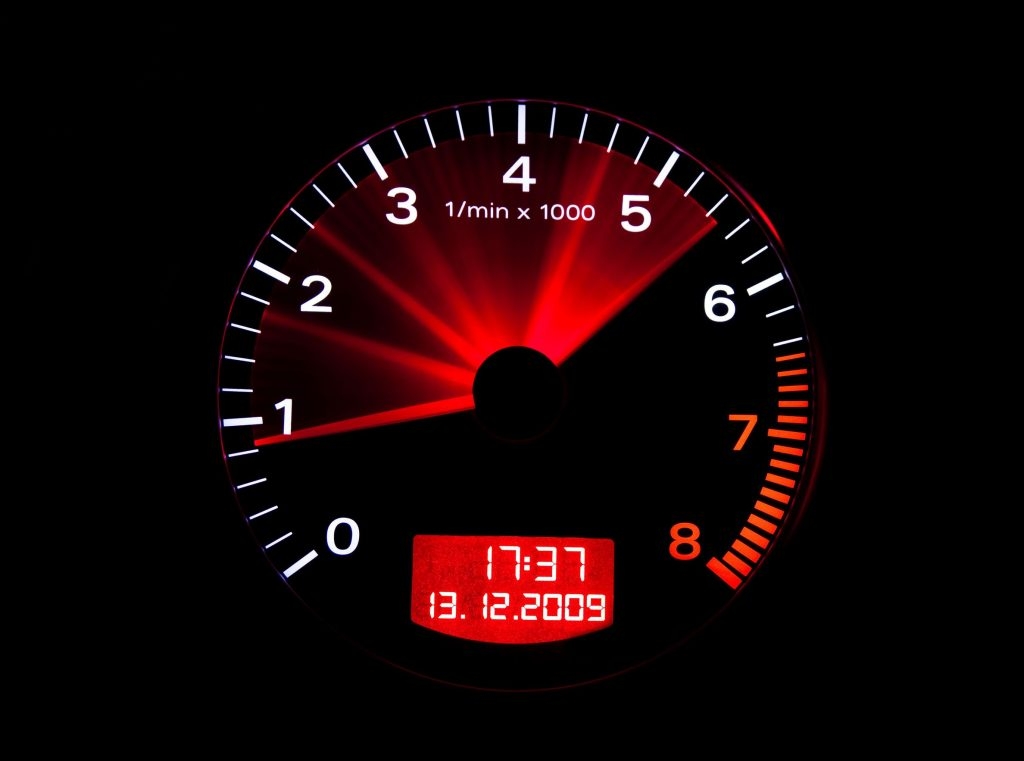
 If you’re like most car owners, your head starts to spin when you try to figure out the difference between torque and horsepower. We usually know that they have something to do with engine performance, but many times, even car enthusiasts aren’t sure about the difference between torque and horsepower.
Torque vs. Horsepower
Simply put, torque is how fast your engine can push air through its system giving it acceleration rate. Horsepower measures the power in your engine. More specifically, horsepower is how many feet your engine can a weight of 33,000 lbs. per minute. What this comes out to is that torque is how fast your car can accelerate from a stopping point, and horsepower is how quickly it can pull something.
How Can I Have More?
Increasing torque doesn’t have to be difficult. In fact, there are two great tactics for increasing yours that can also increase your horsepower. Increasing your throttle body diameter can greatly increase your vehicle’s capacity to accelerate by delivering more air at a faster rate. Tweaking your exhaust can also have great benefits. For example, adding an aftermarket header works like a larger throttle body to increase your vehicle’s airflow creating more combustion that leads to acceleration and power.
These two simple modifications can increase your torque and your horsepower by increasing the airflow which increases your engine’s combustion. For more tips on getting the most from your vehicle, or to have your vehicle serviced, call the experts at Japanese Car Specialties, Inc today.
 Give Up Your Lead Foot

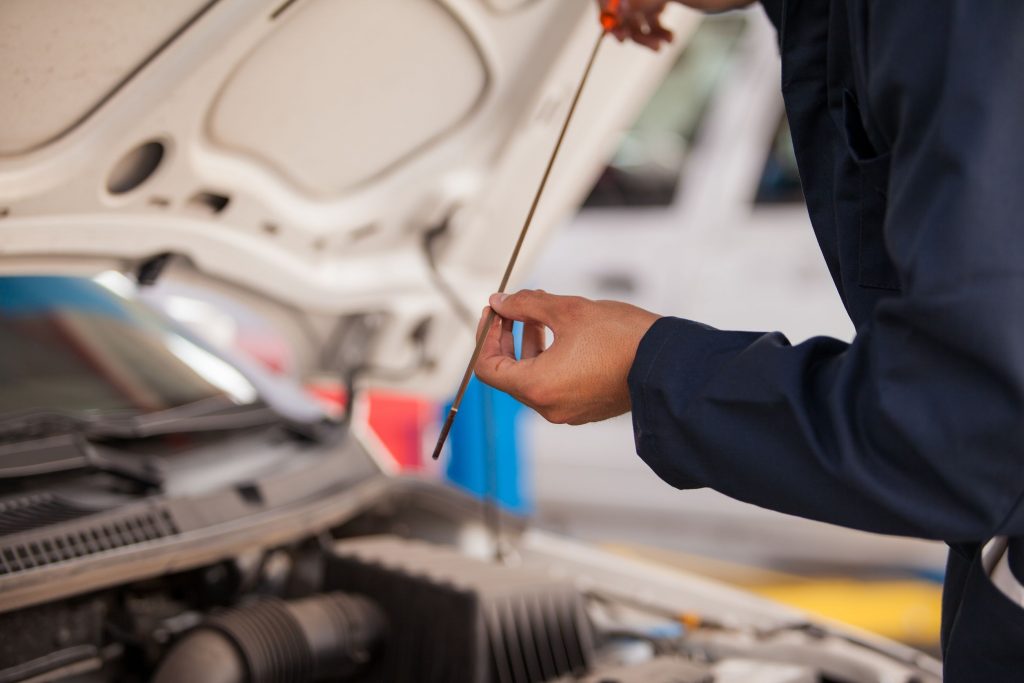
 If your car breaks down and you end up stranded somewhere, you’ll want more than your car manual and the package of gum in your console. Whether you’re commuting to work or going on a cross-country trip, here are a few must-have items for your car.
 This system is composed of many different parts and pieces, so you may be wondering if there are any universal signs that indicate it is time for service. There are many signs that mean you should get your car to the shop. The most common of these is the “bounce” test, where you try and bounce your vehicle. If it continuously bounces after you place and release weight on it, it desperately needs service.
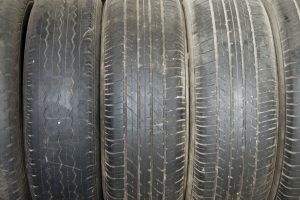
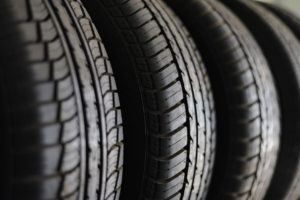 When checking the tread on your tires, look for signs of uneven wear. This may be single-side wear or center wear, or you may see dented hills and valleys in your tires. Each of these common tire problems actually indicates a larger problem with your vehicle. For example, center wear most likely indicates that your tires are overinflated, causing the middle to wear faster than the sides.