Your brakes may not be something that remains on your mind on a regular basis, but this is a feature that should always be functioning properly. Here are several ways to determine whether or not your brakes are in need of servicing.
- First, be sure to check your brake pads for wear through the spokes of your wheels. The pad on the outside should press against the rotor. The pad should be at least 1/4 inch. If you see anything less than that, have your brakes inspected.
- If you’re noticing that when you press on the brake pedal and there is a delay in response, this could be a red flag. Your vehicle could potentially be experiencing an air leak in the brake hose or a loss of brake fluid. Keep an eye out for a puddle under your vehicle after it’s been sitting. Brake fluid looks like oil, but has a less slimy texture.
- If you happen to notice that your vehicle pulls to one side or another when braking, this is could be caused by brake linings are wearing inconsistently. This will call for either an adjustment or a draining and replacing of the fluid.
- One of the last ways to tell that your brakes need servicing is if you begin to hear a grinding or squeaking noise.That’s resulting from two pieces of metal rubbing together and means that your pads have completely worn down. This can make the surface of your rotors become uneven.
So if you’ve noticed any of this signs with your vehicle, call Japanese Car Specialties at 949-583-0811 to schedule your appointment today. We provide quality brake repairs for all of Mission Viejo, CA.

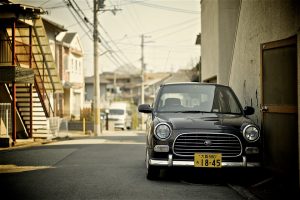 Rust – Like all cars, Japanese auto bodies are prone to rust if not regularly maintained. Rust can cause cosmetic problems or can damage structural or mechanical components which can hinder the vehicle’s functionality.
 All vehicles need regular maintenance to keep functioning properly. Routine oil changes and tune ups are key, and maintaining your tires is equally as important. Here we walk through the safety and mechanical benefits of tire rotation.
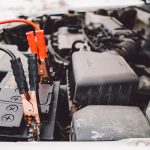 There is a wide variety of reasons that your car may not start, but one of the most common is that your battery has died. Car batteries die for a handful of reasons including aging and overuse. Leaving electronically powered devices on while your car is not running absorbs electricity from your car’s battery, draining it and causing it to die. Luckily, there is a simple solution to this problem – jump starting your car.
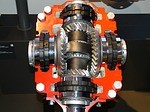 Most people don’t know the intricacies about how all of the myriad parts in their car function together. However, a basic understanding of some of the most important parts can prove beneficial in certain circumstances. If you understand the importance of your transmission, for instance, you’ll understand why a mechanic might tell you “Don’t let transmission damage compound”.
 With gas prices in an unpredictable flux, many drivers are going to great lengths to help their cars run more efficiently. While it is nearly impossible to get better mileage than your car is made for, there are many ways to help your car maintain its ideal mileage long term. Here we have compiled several methods to keep your mileage up and your car running smoothly.
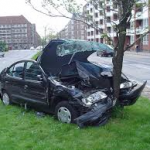 As a kid, your parents likely instilled in you the dangers of drunk driving. In their time, people didn’t know about its risks like they do today. However, our society has found other ways people increase their risk on the road, including driving sleep deprived. Sleep deprivation actually has a comparable risk to drunk driving; we’ll go over here why to avoid it.
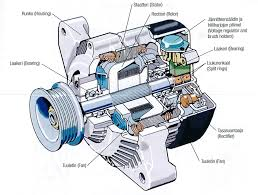 While your battery does supply your car with power, it can only do so for a short distance before it dies. Luckily, your alternator creates a charge from the kinetic energy supplied by your engine. It then recharges the battery as well as powers all of your car’s electronic equipment.